

How can you elevate ethnic wear for weddings affordably?
Last Updated: October 26, 2026
Quick Summary
You can elevate ethnic wear weddings affordably through strategic upgrades like statement jewellery between £15 and £35, creative dupatta styling, tailoring focused on neckline and hem, layering with shawls and belts, and choosing quality fabrics like silk and chiffon. These affordable techniques transform existing pieces into show-stopping outfits without requiring a luxury budget.
- Statement necklaces between £15 and £35 instantly transform simple kurtas into occasion-ready outfits
- Tailoring the neckline, hem, and sleeve fit makes budget pieces look twice the price
- Layering shawls, belts, and dupattas styled differently creates multiple looks from single garments
- Neutral base pieces in cream or white at £19 to £22 pair with any accessory across multiple events
- Quality fabrics like raw silk and chiffon photograph well and feel more luxurious than heavily embellished cotton
Table of Contents
- 1. Invest in Statement Jewellery to Elevate Ethnic Wear
- 2. How to Accessorise Ethnic Wear for Maximum Impact
- 3. How to Make a Dress Look Expensive with Simple Tweaks
- 4. How to Style a Dupatta for a Wedding with Flair
- 5. Pakistani Wedding Guest Outfit Ideas on a Budget
- 6. Layer and Mix Pieces to Create Multiple Wedding Looks
- 7. Choose the Right Footwear and Fabrics for Wedding Events
- Frequently Asked Questions
Wedding season brings excitement, expense, and often the pressure to look flawless without spending a fortune. The challenge is real: ethnic wear for weddings can cost hundreds of pounds, yet many guests attend multiple celebrations throughout the year. The good news is that strategies to elevate ethnic wear weddings don't require a luxury budget. Small, strategic upgrades transform existing pieces into show-stopping outfits that feel entirely new.
This guide reveals seven practical ways to elevate ethnic wear for weddings affordably, focusing on upgrades that deliver maximum impact for minimal spend.
1. Invest in Statement Jewellery to Elevate Ethnic Wear
Statement jewellery transforms a simple kurta into an occasion-ready outfit instantly. A bold choker or layered necklace draws attention upward and adds visual drama without altering the base garment.
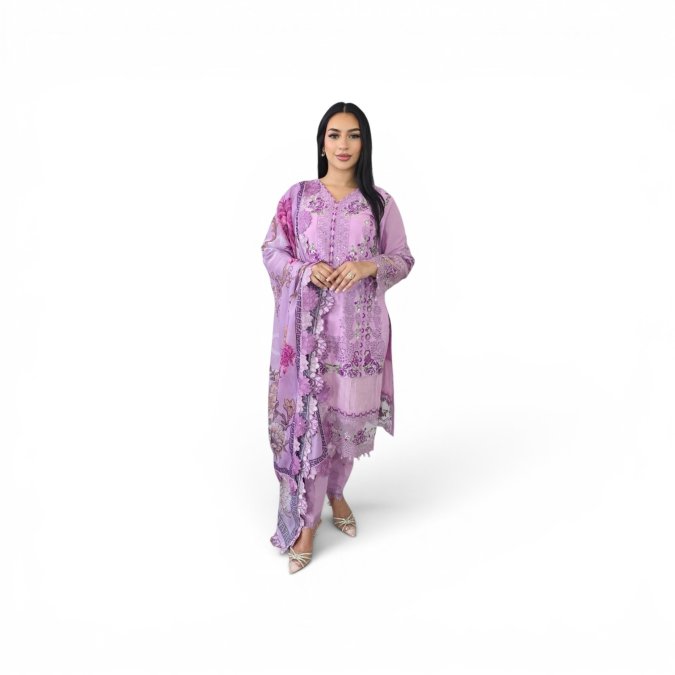
Quality statement pieces don't need to cost a fortune. Look for pieces featuring semi-precious stones, crystal beading, or intricate metalwork. A single statement necklace between £15 and £35 can completely shift how an outfit reads. Pair it with minimal other jewellery to let the piece shine.
Consider mixing metal tones, gold with silver, or copper with bronze. This approach feels intentional and modern, moving away from the formal "matching set" expectation. Layer delicate chains with a bolder pendant for depth. The layering technique works across price points and creates a curated, high-fashion aesthetic.
Browse velvet shawls with affordable luxury pieces that add dimension to any kurta or suit.

Jhumkas (traditional drop earrings) remain the go-to for ethnic occasions, but consider lighter styles if you're attending multiple events. Heavy earrings worn for hours become uncomfortable. Opt for lightweight versions with similar visual impact, thin chains, minimal studs, or chandelier designs in resin rather than solid metal.
Statement jewellery pieces offer affordable ways to transform simple ethnic wear into occasion-ready outfits.
| Jewellery Type | Price Range | Best For |
|---|---|---|
| Statement necklace | £15 to £35 | Drawing attention upward with visual drama |
| Lightweight jhumkas | Varies | Multiple events without discomfort |
| Layered delicate chains | Varies | Creating curated, high-fashion aesthetic |
| Chandelier designs in resin | Varies | Similar visual impact to solid metal |
| Mixed metal tones | Varies | Modern, intentional look |
| Brooch | Varies | Adding focal point at shoulder or neckline |
2. How to Accessorise Ethnic Wear for Maximum Impact
Accessories are the fastest way to elevate ethnic wear for weddings without buying new clothes. A dupatta styled differently, a belt added to a kurta, or a brooch pinned strategically creates an entirely different silhouette.
Belts deserve special attention. A structured belt at the waist instantly defines the silhouette and adds polish. Metallic belts work across colours, gold elongates, while silver adds a contemporary edge. Fabric belts with embroidery or beadwork tie in with the garment's embellishment.
Brooches offer another overlooked upgrade. Pin a brooch to the shoulder of a dupatta, at the neckline of a kameez, or on a shawl. This single detail catches light and draws the eye upward, creating a focal point.
Bags and clutches complete the look. A structured metallic clutch or embroidered pouch grounds the outfit and provides practical storage. Choose a colour that either matches the outfit or contrasts intentionally, a teal clutch with a coral kurta creates visual interest.
Scarves and shawls layered over the dupatta add texture and dimension. A lightweight silk scarf draped asymmetrically or a velvet shawl thrown over one shoulder transforms the silhouette. Roxy's Fashion Online offers embroidered velvet shawls at £20, designed specifically to elevate ethnic wear while remaining affordable.
3. How to Make a Dress Look Expensive with Simple Tweaks
Making ethnic wear look expensive comes down to fit, finish, and proportion. A poorly fitted outfit reads as budget regardless of fabric quality. Tailoring is one of the best ways to elevate ethnic wear weddings, transforming a £20 suit into something that looks twice the price.
Focus tailoring investment on three areas: the neckline, the hem length, and the sleeve fit. A neckline adjusted to sit perfectly at the collarbone immediately elevates the entire piece. Hems that hit exactly at the ankle or knee create clean lines. Sleeves that fit without excess fabric at the cuff look intentional and polished.
Fabric choice matters enormously. Heavier fabrics with structure, silk, chiffon, raw silk, photograph well and move elegantly. Lightweight cotton or lawn feels less formal. When shopping, prioritise fabric weight and drape over embellishment quantity. A simply embroidered silk kurta reads as more expensive than a heavily sequined cotton one.
Colour selection also signals quality. Rich, saturated jewel tones, emerald, sapphire, deep plum, feel luxurious. Pastels can feel budget-friendly unless paired with expensive fabrics and minimal embellishment. Neutral bases (cream, white, grey) with bold accessories create a sophisticated, curated look.
Pressing and steaming before wearing makes an enormous difference. Wrinkles read as careless. Fresh pressing gives any outfit an expensive, just-tailored appearance.
4. How to Style a Dupatta for a Wedding with Flair
The dupatta (traditional scarf) is the easiest element to restyle, making it perfect for creating multiple looks from one outfit. Yet most guests drape it the same way each time.
The classic drape, one end over the shoulder, one end draped down the back, works, but it's predictable. Try draping both ends across the front, creating a V-neckline effect that elongates the face.
The asymmetrical drape creates movement and modern appeal. Drape one end over one shoulder and let the other end fall freely at the side or back.
For a more formal look, arrange the dupatta like a shawl across both shoulders, letting it fall evenly down the back. This creates a regal silhouette and works beautifully for receptions.
The wrapped style, wrapping the dupatta around the body like a shawl, creates a completely different silhouette.
Pin the dupatta in unexpected places: at the shoulder blade, across the back, or even at the hip. Pins add visual interest and keep the drape secure throughout the event.
Lightweight dupattas in silk or chiffon move beautifully and photograph well. Heavier embroidered dupattas make a statement but require more careful arrangement.
5. Pakistani Wedding Guest Outfit Ideas on a Budget
Building a wedding guest wardrobe on a budget means choosing pieces that work across multiple events and occasions. A single kurta suit can be restyled five different ways with strategic accessory changes.
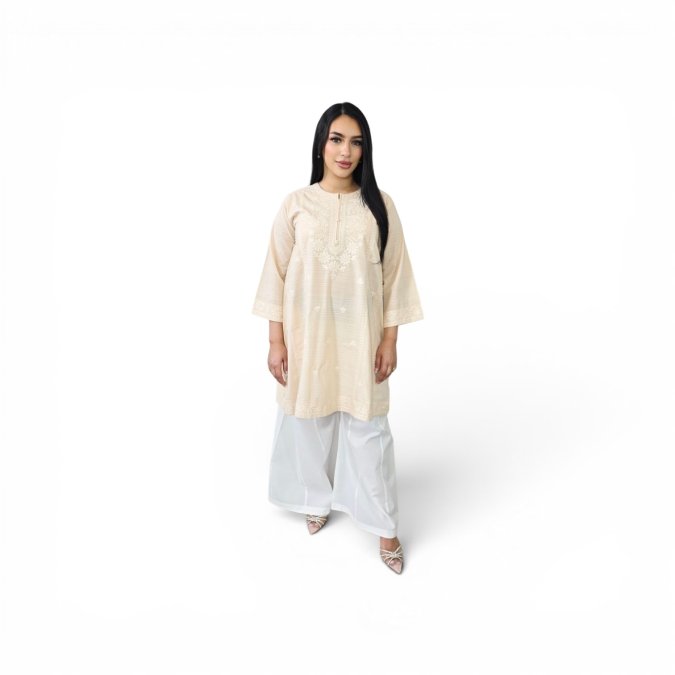
Start with neutral base pieces in cream, white, or grey. These versatile foundations pair with nearly any accessory and work across seasons. A cream lawn suit at £19 to £22 becomes the foundation for multiple looks.
Invest in two to three mid-range pieces (£28 to £35) that feel special. These might include a silk kaftan or a palachi kameez with lace detailing. These pieces work for formal events and feel elevated without the price tag of designer wear. Emerald Grace, a wide-leg sharara set in Russian raw silk at £72, works beautifully for weddings and celebrations where you want to look particularly polished.
Layer budget basics with affordable upgrades. A simple embroidered kameez (£19 to £22) becomes wedding-worthy when paired with a velvet shawl (£20) and statement jewellery. The total investment stays under £60, yet the outfit reads as carefully curated and expensive.
Discover affordable Pakistani party wear options to build a complete wardrobe that works across multiple celebrations.

Mix printed and plain pieces. A printed lawn suit paired with a plain dupatta creates visual interest. A plain kurta paired with a printed or embroidered dupatta works equally well.
Consider the wedding functions when building your wardrobe. Mehendi events suit lighter, more playful colours and simpler embellishment. Sangeet occasions work well with bold colours and heavier embroidery. Receptions call for more formal, structured pieces.
6. Layer and Mix Pieces to Create Multiple Wedding Looks
Layering transforms single pieces into multiple outfits. A kurta worn alone looks one way; layered under a shawl or with a belt and dupatta styled differently becomes an entirely new look.
Layering shawls over kurtas adds texture and changes proportions. A lightweight shawl over a printed kurta creates visual depth. A velvet shawl over a simple silk kameez adds richness and formality.
Belts create instant variety. Cinching a loose kurta at the waist defines the silhouette and creates a peplum effect if the kurta has length. Wearing the same belt over a dupatta adds visual interest.
Dupattas work as wraps, shawls, or even skirt covers when layered creatively. Drape a dupatta over trousers as a skirt layer for a completely different silhouette.
Explore Pakistani suits that can be layered and mixed to create multiple affordable wedding looks and build a flexible wardrobe that stretches further.

Jewellery layering adds depth without additional garment purchases. Layer multiple chains, stack rings, and combine different earring styles. This approach feels intentional and modern, moving away from the formal matching-set aesthetic.
Footwear changes also transform outfits. The same kurta with flat ethnic sandals reads casual; with heeled embroidered shoes, it becomes formal. With metallic flats, it feels contemporary.
7. Choose the Right Footwear and Fabrics for Wedding Events
Footwear grounds an entire outfit and deserves careful consideration. Ethnic flats, Kolhapuri sandals, embroidered juttis, or beaded slippers, work beautifully for mehendi and sangeet events.
For receptions, consider heeled ethnic shoes or embellished sandals. A heel adds formality and elongates the leg.
Fabric choice dramatically impacts how expensive an outfit looks and feels. Raw silk, chiffon, and silk blends photograph beautifully and drape elegantly.
Embroidery quality signals value. Hand-embroidered pieces feel special and expensive, even at modest price points. Machine embroidery done well looks contemporary and clean.
Learn how to assess fabric quality when shopping for affordable ethnic wear to ensure value for money and make confident purchasing decisions that last beyond a single event.
Print quality matters. Clear, well-defined prints read as more expensive than blurry or faded patterns.
Weight and drape determine silhouette and movement. Heavier fabrics with structure hold their shape and photograph well. Lightweight fabrics move beautifully but require careful styling to avoid looking limp.
Colour saturation affects perceived value. Rich, deeply saturated colours feel luxurious. Pale or washed-out shades can feel budget-friendly regardless of actual price.
Elevating ethnic wear for weddings affordably comes down to strategic choices about where to invest and where to save.
Frequently Asked Questions
What are the most affordable ways to elevate ethnic wear for weddings?
The most impactful upgrades cost under £30. Invest in a quality velvet shawl (from £20), style your dupatta differently, and choose rich fabrics like silk or chiffon over basic cotton. These small changes transform an ordinary ethnic outfit into something that looks far more expensive without breaking the budget.
How can you accessorise ethnic wear for a wedding without spending much?
Use a quality dupatta as both a drape and a styling tool. A velvet shawl (£20) instantly adds luxury. Focus on one bold accessory rather than multiple pieces, this creates impact and prevents a cluttered look. Choose gold or silver finishes that work across multiple outfits.
How do you make a cheap ethnic dress look more expensive?
Choose outfits in rich colours like emerald, sapphire, or deep maroon rather than pale shades. Layer with a velvet shawl for instant sophistication. These tweaks create the illusion of a premium piece.
What fabrics work best for affordable wedding ethnic outfits?
Lawn, chiffon, and silk offer excellent value and elegance. Lawn suits (from £19-20) are breathable and perfect for summer weddings; chiffon (from £48) drapes beautifully and feels luxurious; silk and silk blends add richness without excessive cost. Velvet works wonderfully for winter celebrations. Avoid thin, flimsy fabrics that cheapen the overall look. Quality fabric makes an affordable outfit appear far more expensive.
How can you style one ethnic outfit for different wedding events?
Change your accessories and dupatta styling. Wear the same kurta for a reception, then add a velvet shawl for a mehendi event. Restyle the dupatta as a shoulder drape, wrap, or head covering depending on the occasion. Layer with different shawls or dupattas to transform the look. This approach lets you create multiple wedding outfits from a single base piece.
