

What Makes Pakistani Clothing Unique: Fabrics and Craft
Quick Summary
Pakistani clothing is distinctive because it combines modest, flowing silhouettes with some of the most intricate handwork in South Asian fashion. Its wardrobe layers Mughal court dress, provincial folk embroidery and contemporary cuts, so a shalwar kameez can be plain for daily wear or heavily worked for celebrations.
- The shalwar kameez, a tunic, loose trousers and dupatta, remains the foundation of the wardrobe.
- Lawn is a lightweight cotton that suits summer and casual wear.
- Mirror work, dabka, adda, chikkan kari and beadwork are the main embroidery techniques.
- Check the garment type, fabric and embellishment level together when reading a listing.
Table of Contents
- Why Pakistani Clothing Stands Apart
- Traditional Pakistani Clothing and Everyday Garments
- Pakistani Clothing Fabrics: Lawn, Chiffon, Silk and Velvet
- Pakistani Embroidery Styles and Handwork Techniques
- Mughal, Folk and Regional Influences on Design
- How to Choose a Pakistani Suit for Your Occasion
- Booking Your Next Pakistani Suit Online
- Frequently Asked Questions
Why Pakistani Clothing Stands Apart
Pakistani clothing is distinctive because it combines modest, flowing silhouettes with some of the most intricate handwork in South Asian fashion. Chikkan kari lawn suits and embroidered chiffon sets show this craftsmanship. The result is clothing that reads as both traditional and current.
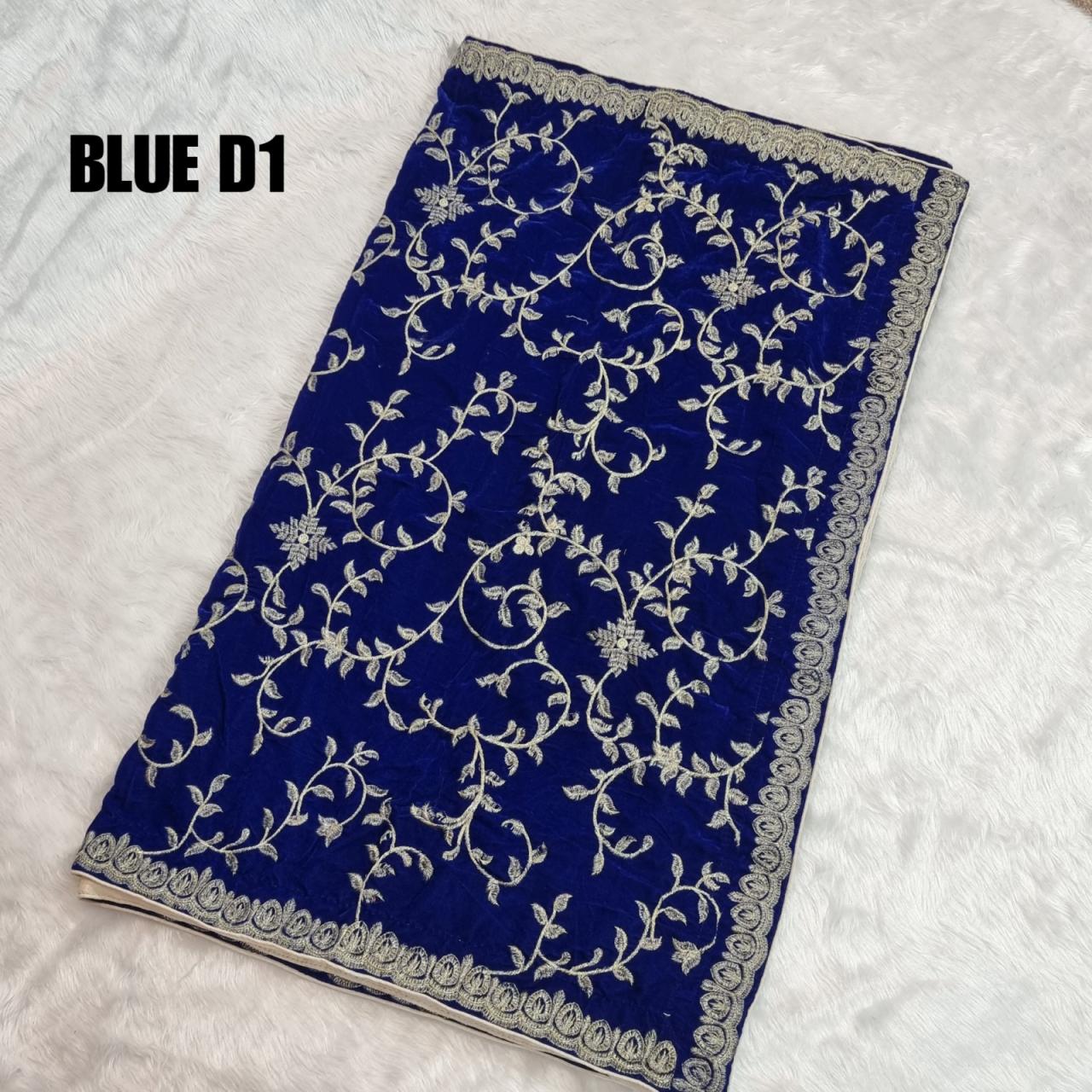
What separates it from other regional fashion is the layering of influences. Mughal court dress, folk embroidery from the provinces, and contemporary cuts all sit within the same wardrobe. A shalwar kameez can be plain and everyday or heavily worked for a celebration, which is why it appears in so many different settings.
Traditional Pakistani Clothing and Everyday Garments
The shalwar kameez remains the foundation of the wardrobe. It consists of a tunic (the kameez), loose trousers (the shalwar), and usually a dupatta, a long scarf draped over the shoulders. The loose fit suits warm weather and modest dress codes at the same time, which is why it works across both casual and formal settings.
Beyond that core, several other garments appear regularly and are worth knowing by name:
- Kurta: a straight, tunic-length top, often worn with trousers or jeans. It is lighter and less structured than a kameez and is common in everyday wear.
- Sharara: wide, flared trousers gathered at the knee or ankle, usually paired with a long kameez. It is a formal or celebratory silhouette rather than an everyday one.
- Gharara: similar in spirit to a sharara but with a more pronounced flare and a different construction at the knee. It is associated with weddings and traditional celebrations.
- Lehenga: a long, heavily worked skirt worn with a choli or kameez, most often for weddings and formal events.
- Dupatta: the scarf that completes the outfit. It can be plain cotton for daily wear or heavily embellished for occasions, and it is often the piece that carries the most visible embroidery.
Everyday garments tend to be simpler: plain cotton or lawn, minimal embellishment, and colours chosen for heat and practicality. Occasion wear adds mirror work, beadwork, sequins or zari, and the fabric shifts from lawn to chiffon, silk or velvet. Most wardrobes move between these two levels depending on the event, and the same wearer may own a plain lawn suit for summer and a heavily worked chiffon or silk set for a wedding.
A useful way to read a listing is to check three things together: the garment type, the fabric, and the level of embellishment. A lawn shalwar kameez with chikkan kari sits at the everyday end; a raw silk sharara with sequin and bead detail sits at the formal end. The gap between them is not just price but care: heavier embellishment needs more careful washing and storage, while plain lawn is far more forgiving.
Pakistani Clothing Fabrics: Lawn, Chiffon, Silk and Velvet
Fabric choice shapes both how a garment looks and how it wears. Lawn is a lightweight cotton, popular for summer and casual wear. Its breathability makes it practical in heat, and it takes printed and chikkan work well. You can compare the lawn range in our Lawn Collection or read our guide to buying unique Pakistani lawn online.
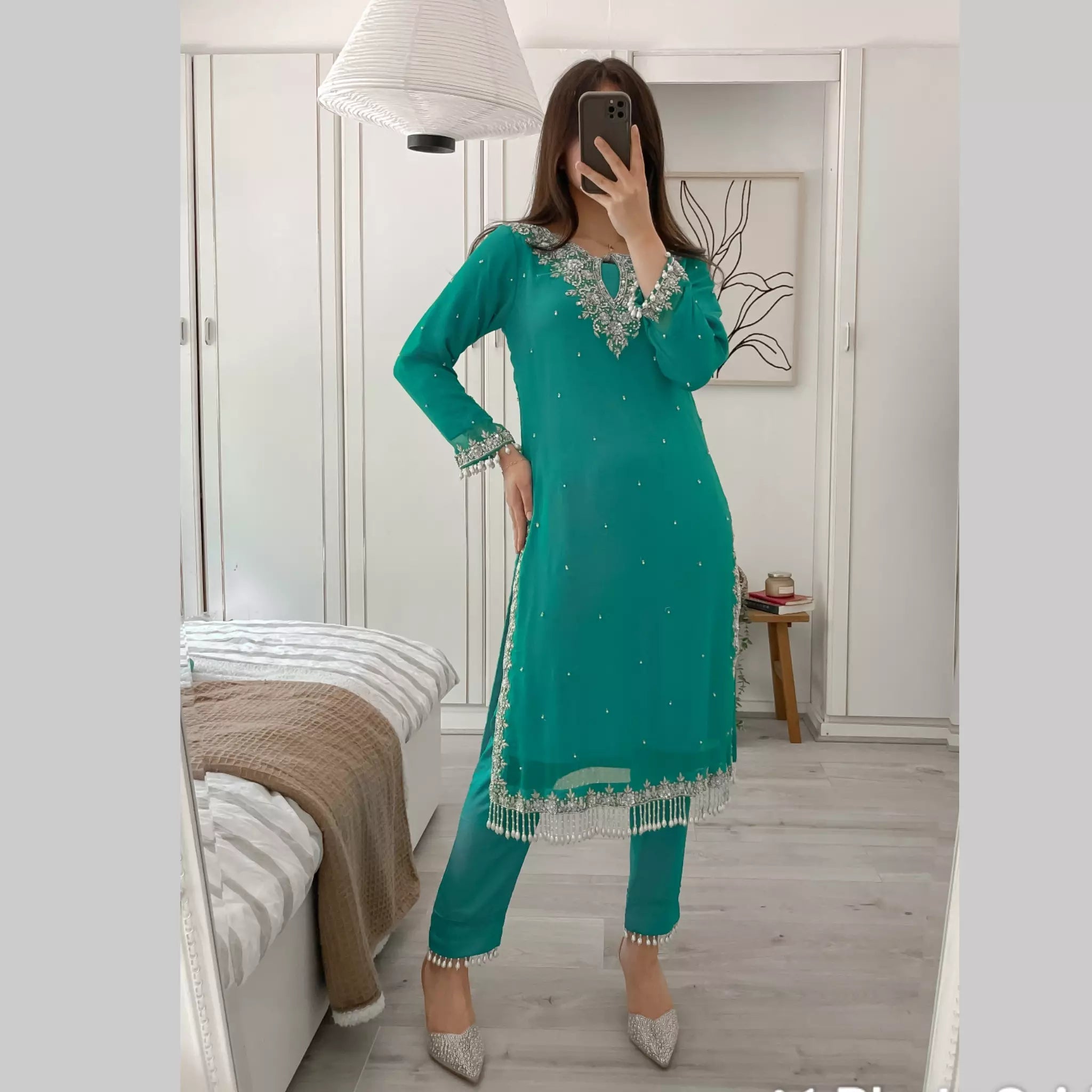
Chiffon is sheer and drapes softly, so it suits layered party pieces. The Mahnoor M1 suit in teal green uses chiffon with adda, dabka and mirror work, and it is priced at £34.00. The Emerald Grace sharara set in emerald green uses raw silk with sequin and bead detail, priced at £52.00.
Before buying lawn, it helps to know how to check authenticity. Our guide to identifying authentic Pakistani lawn covers the key signs.
Pakistani Embroidery Styles and Handwork Techniques
Embroidery is where the craft becomes most visible. Common techniques include:
- Mirror work: small reflective discs stitched into the fabric, used on necklines, sleeves and hems.
- Dabka and adda work: metallic threadwork and raised stitching that adds texture.
- Chikkan kari: delicate shadow-like threadwork, often on lawn.
- Beadwork and sequins: applied by hand for evening and bridal pieces.
The Juggan Pink suit (£18.00) shows chikkan kari with mirror work on the neck and sleeves, and it is a good example of how embellishment can stay understated.
Mughal, Folk and Regional Influences on Design
Mughal influence is easiest to see in formal wear. Court dress of the Mughal period favoured rich silks, zari threadwork, layered tunics and a decorative approach to the neckline and hem. Those habits survive in modern formal shalwar kameez and sharara sets, where the cut is simpler but the embellishment still follows the same instinct: dense work at the edges, lighter work through the body. Zari, the metallic thread traditionally used in these garments, remains a marker of formality rather than everyday dress.
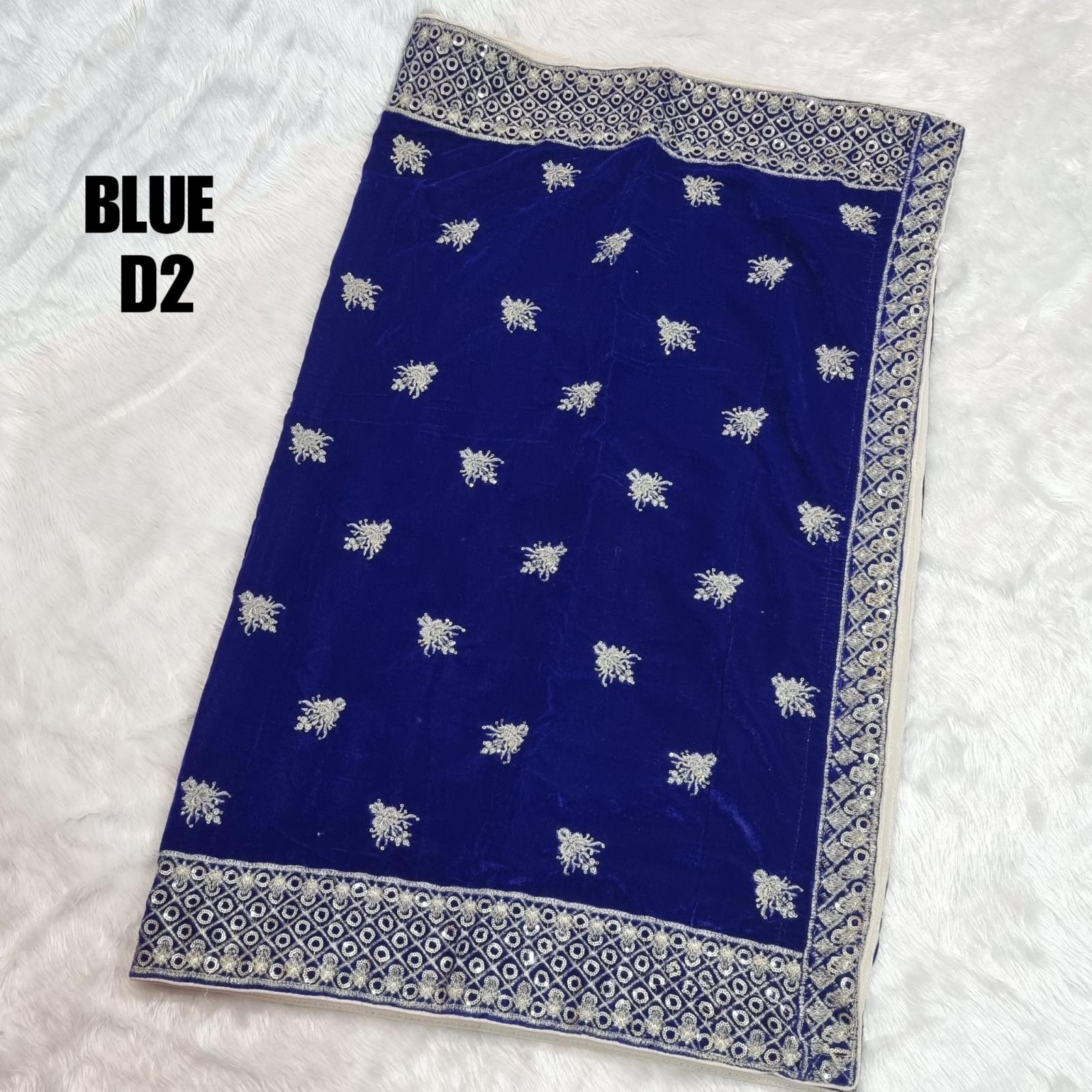
Folk traditions work differently. They are regional, and they are specific. Rather than treating regional diversity as a single idea, it helps to look at named garments and the techniques attached to them:
- Sindhi ajrak: a block-printed textile in deep reds and indigo, traditionally worn as a shawl and used in Sindh. The repeating geometric and floral motifs are printed with carved wooden blocks, and the cloth is often cotton. Contemporary designers borrow ajrak prints for lawn suits and dupattas, but the original is a resist-style block print rather than a digital reproduction.
- Balochi embroidery: fine, densely counted threadwork in geometric patterns, usually in strong contrasting colours on dark fabric. It is labour-intensive and traditionally worked on dresses and shawls, and it is one of the clearest examples of a regional technique that survives largely through handwork.
- Phulkari from Punjab: a embroidery style built from long darning stitches on the reverse of the fabric, producing a bright, almost pixelated floral effect on the front. It is traditionally associated with shawls and celebratory cloth rather than everyday suits.
- Chikkan kari from the Lucknow tradition: delicate white-on-white threadwork that migrated into Pakistani lawn and cotton suits, where it is now a standard summer embellishment.
- Rilli and patchwork: quilting and pieced-cotton traditions from rural Sindh and Punjab, where offcuts are stitched into patterned throws and sometimes into garments. These are practical textiles first and decorative second.
What this means for a buyer is that "regional" is not a single look. A Sindhi ajrak print, a Balochi embroidered panel and a Punjabi phulkari shawl share a handwork ethos but differ in technique, colour and intended use. When a listing describes a suit as "folk-inspired", it is worth checking which tradition it is drawing on, because the craft value and the care requirements differ.
How to Choose a Pakistani Suit for Your Occasion
Start with the event, then the fabric. For daytime or casual wear, lawn in a light colour is practical. For evening events, chiffon or silk with embellishment gives the most impact. The Zaynash 05 printed lawn suit (£14.00) suits everyday summer wear, while the Mahnoor M1 or Emerald Grace suit fits a party or celebration.
Check the measurements on each listing before ordering, as sizing is given by chest measurement. Our round-up of Pakistani designer suits for every occasion and our formal suit styles guide can help narrow the choice.
Watch out: the listings state that sale items may have minor marks or missing beads, and that refunds and exchanges are not offered. Check the listing details before you buy.
Booking Your Next Pakistani Suit Online
Shopping online works well when you know your size and occasion. Browse the full range, compare fabrics and embellishment levels, and choose a piece that matches the event. Browse lawn for everyday wear and embellished suits for celebrations in one place.
For a closer look at the pieces mentioned here, visit the Juggan Pink suit, the Zaynash 05 suit, the Mahnoor M1 suit or the Emerald Grace set.
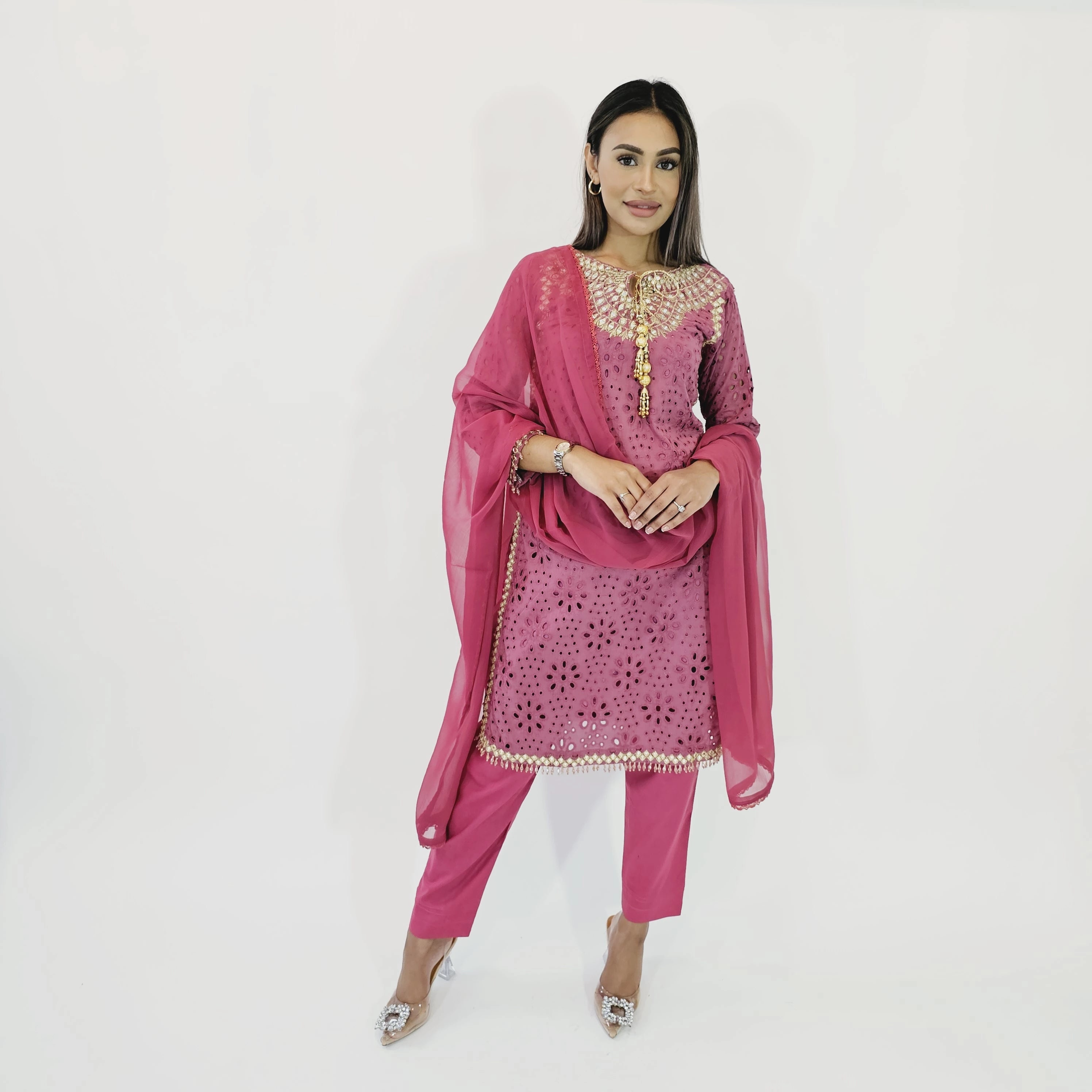
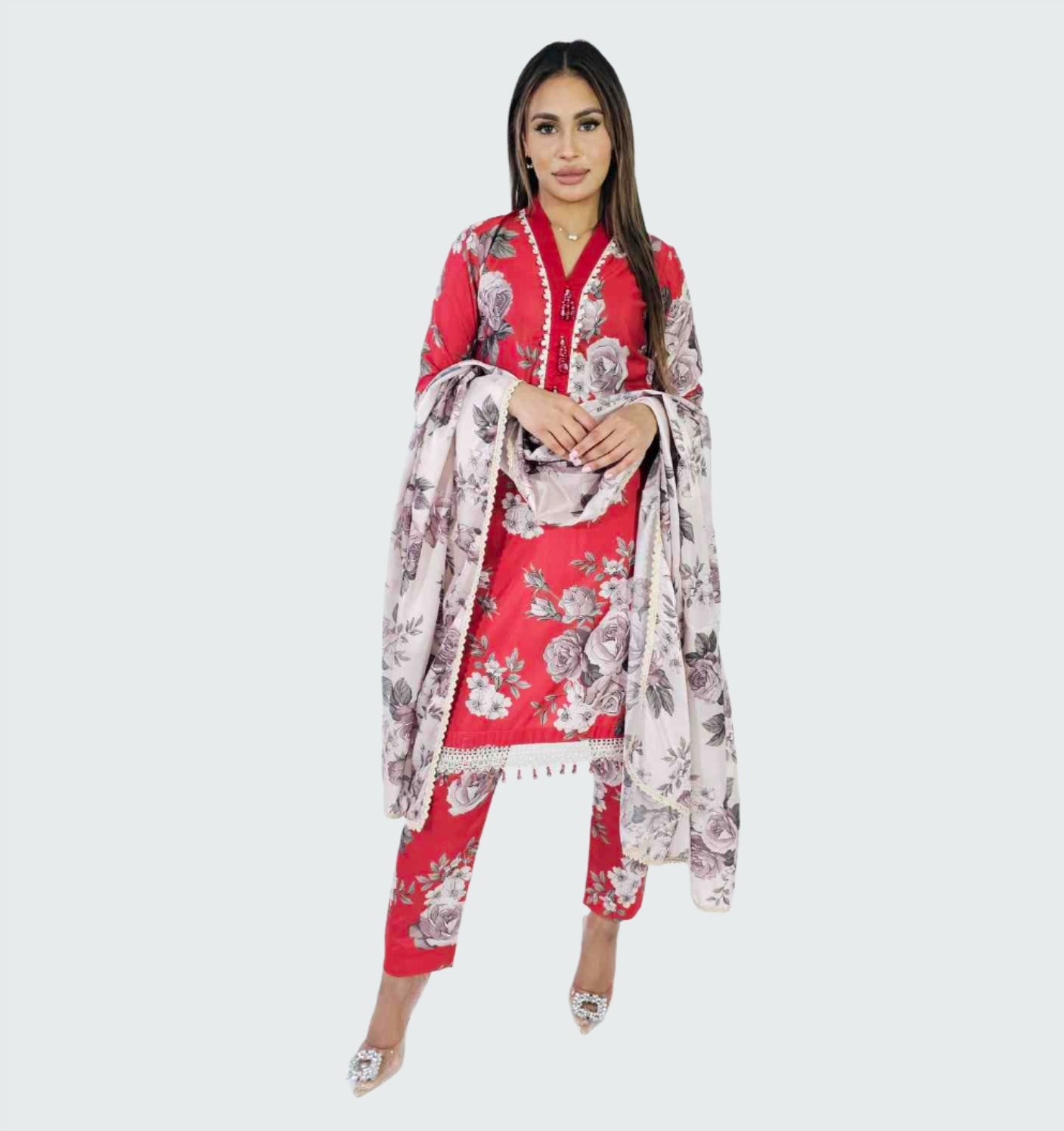
| Garment | Fabric | Best For | Price |
|---|---|---|---|
| Juggan Pink suit | Lawn | Everyday and summer | £18.00 |
| Zaynash 05 suit | Lawn | Casual summer wear | £14.00 |
| Mahnoor M1 suit | Chiffon | Parties and celebrations | £34.00 |
| Emerald Grace set | Raw silk | Weddings and formal events | £52.00 |
Price
Frequently Asked Questions
What makes Pakistani clothing unique?
Pakistani clothing combines traditional silhouettes such as the shalwar kameez with rich textiles, hand embroidery and decorative techniques like mirror work, zari and gota. Regional styles and Mughal and folk influences add further variety, so each piece reflects both cultural identity and craftsmanship. Its loose, modest cuts also suit a warm climate and a wide range of occasions, from everyday wear to formal events.
What fabrics are commonly used in Pakistani clothing?
Lawn is widely used for summer and casual suits because it is light and breathable. Chiffon gives a soft drape for party wear, while silk and velvet are chosen for formal and festive pieces. Fabric choice matters for comfort and care, so lighter cottons suit daily wear and heavier textiles suit weddings and celebrations.
How do I choose a Pakistani suit for a formal event?
Start with the occasion and the fabric. Chiffon and raw silk suit formal evenings, while embellished pieces with sequin or bead work work well for weddings. Check the size chart carefully, as sizing is given by chest measurement, and read the product details for material and care instructions before ordering.
