

7 Steps to Style Pastel Eid Ensembles for Every Look
Quick Summary
Choose a pastel Eid ensembles look by starting with the occasion rather than the shade: soft mint or lilac suits daytime family gatherings, while embellished pieces suit evening dinners. Keep the palette to two or three tones, then style the outfit in order from base layer to dupatta to accessories.
- Daytime gatherings suit lawn or lightweight chiffon with minimal embellishment.
- Evening dinners suit beadwork, sequins or embroidered dupattas.
- Keep the palette within two or three tones so the outfit reads as one look.
- Style in order: base layer, shalwar, kameez, dupatta, then accessories.
- Pale pastels show creases quickly, so plan a quick iron or steam before leaving home.
Table of Contents
- Choosing the Right Pastel Eid Outfit for Your Occasion
- Pairing Pastel Colour Combinations That Work
- Styling a Pastel Shalwar Kameez Step by Step
- Eid Outfit Accessories That Complete the Look
- Footwear, Bags and Makeup to Finish Your Pastel Eid Ensemble
- Fabric Selection and Care for Pastel Eid Outfits
- Booking Your Pastel Eid Look From Roxy's Fashion Online
- Frequently Asked Questions
Choosing the Right Pastel Eid Outfit for Your Occasion
Last Updated: November 2, 2026
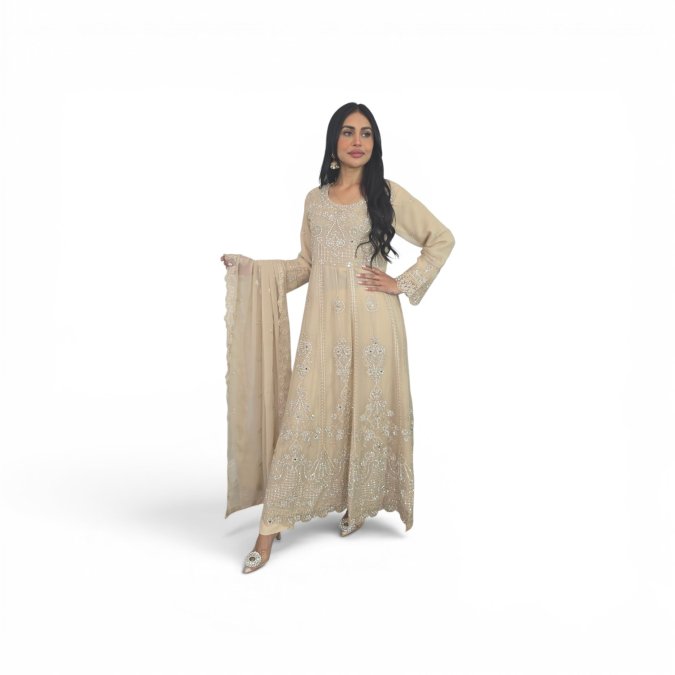
Choosing a pastel Eid ensembles look starts with the occasion, not the shade. A soft mint or lilac suit works well for a daytime family gathering, while a richer embellished piece suits an evening dinner. Before you buy, decide where you will be, who you will see and how long you will stay on your feet.
- Daytime gatherings: choose lawn or lightweight chiffon with minimal embellishment
- Evening dinners: choose pieces with beadwork, sequins or embroidered dupattas
- Formal parties: choose structured sets with a sharara or straight trousers
Watch out: pale pastels show marks and creases quickly, so plan for a quick iron or steam before you leave home.
UK Government guidance on clothing care labels
Pairing Pastel Colour Combinations That Work
Pastels look best when one shade leads and the others support it. A mint blue kameez pairs well with a cream or silver dupatta, and a lilac suit suits a soft pink accent.
!Woman in a soft mint shalwar kameez standing in a bright garden, dupatta over one shoulder, gold studs visible
Warm undertones suit gold jewellery, while cool undertones look sharper with silver. Test your shade against your skin in daylight before committing.
- Lead colour: the main kameez shade
- Support colour: the dupatta or trouser shade
- Accent colour: jewellery, bag or shoes
Styling a Pastel Shalwar Kameez Step by Step
Start with the base layer, then the shalwar, then the kameez, then the dupatta, then the accessories. This order keeps the outfit balanced and stops you adding pieces that clash. The steps below assume a standard three-piece shalwar kameez; adjust the order slightly if your kameez has a side zip or a back opening.
- Base layer first. Put on a fitted slip or camisole in a tone close to your skin or to the kameez. A matching-tone slip stops a pale kameez reading as transparent in daylight and gives embroidery a smooth surface to sit on.
- Shalwar next. Pull on the shalwar and check the hem against your heel. The hem should skim the top of your foot at the back and clear the floor at the front; if it pools, have it taken up rather than hiking it with a belt, which distorts the fall.
- Kameez on, then smooth. Fasten the kameez and run a hand down the front panel to settle the embroidery. Check that the side seams sit vertically and that the armholes are not pulling; if they pull, the chest measurement is too small, not the style.
- Dupatta last. Drape the dupatta only after the kameez is settled, so the pleats fall where the fabric actually sits.
- Accessories after the mirror check. Add jewellery, bag and shoes once the silhouette is fixed. Adding accessories earlier tempts you to compensate for a fit issue with a necklace or a pinned dupatta.
Layering the Dupatta
A dupatta can change the whole mood of an outfit, and the drape you choose should follow the venue rather than the trend. Four drapes cover most Eid occasions:
- One-shoulder drape (relaxed daytime): take the dupatta across the back, bring one end over the left shoulder and let it fall to hip level. Pin once at the shoulder with a small brooch so it does not slide during greeting and hugging.
- Front-pinned V (formal visits): centre the dupatta at the back of the neck, bring both ends forward and pin them at chest height to form a soft V. This frames embroidery on the kameez and keeps both hands free for hosting.
- Double-pleat drape (photographs and evening): pleat the dupatta into three or four even folds, pin the pleats at the shoulder, and let the pleated end fall straight. Pleats read cleaner in photographs than a loose drape and hide creases from sitting.
- Open drape (prayer and outdoor walking): leave the dupatta open over both shoulders so it can be lifted for prayer or wrapped against a breeze without unpinning.
Sheer fabrics need a matching slip so the outline does not show through, and net dupattas catch on beaded kameez fronts, pin the dupatta to the shoulder seam rather than the embroidered panel to avoid pulls.
Fit, Proportion and Inclusive Styling
Pastel outfits suit many body shapes, and the cut matters more than the shade. A straight-cut kameez lengthens a shorter frame, while a flared hem adds volume to a slimmer build.
Check the chest measurement before ordering, as sizes vary between cuts. Compare the listed chest measurement with a well-fitting garment you already own, laid flat and measured armpit to armpit, then doubled.
Eid Outfit Accessories That Complete the Look
Accessories finish pastel Eid ensembles without overwhelming them. Gold studs or a slim bangle set suit most shades, while a delicate necklace works for a classic white or cream look.
- Earrings: gold studs or small drop earrings
- Bangles: one matching set in gold or silver
- Bags: a small clutch in a neutral tone
- Dupatta pin: a brooch that matches your jewellery
Keep the rest minimal. One statement piece is enough when the outfit already has embroidery.
Footwear, Bags and Makeup to Finish Your Pastel Eid Ensemble
Most styling guides stop at the outfit. The section below builds three complete head-to-toe looks, one for a daytime family gathering, one for an evening dinner, and one for prayer and outdoor visits, so you can copy a finished combination rather than guess at the finishing pieces.
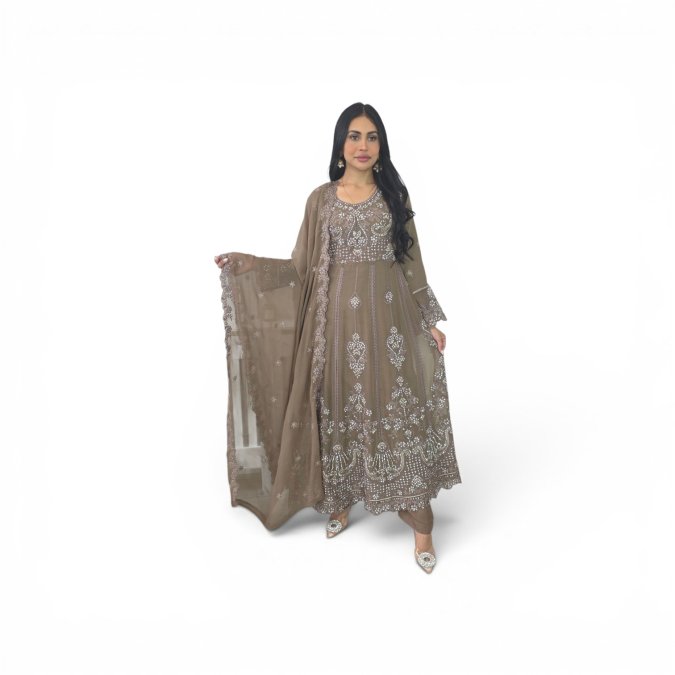
Complete Look 1: Daytime Family Gathering
- Outfit: mint or powder-blue lawn kameez with a straight shalwar and a cream dupatta.
- Footwear: flat khussa or a low block heel in nude or metallic gold. Flats are the practical choice for a long day of greeting, standing and helping in the kitchen.
- Bag: a small structured clutch or a crossbody in cream, tan or soft gold. A crossbody keeps both hands free for plates and children.
- Jewellery: gold studs and one slim bangle set. Skip the necklace if the kameez has a worked neckline.
- Makeup: a soft peach blush, a wash of champagne on the lid, and a tinted lip balm. Keep the finish fresh rather than matte, because daylight shows heavy powder.
Complete Look 2: Evening Dinner
- Outfit: lilac or blush chiffon with beadwork and an embroidered dupatta.
- Footwear: a low heel or a jewelled flat in gold or silver, matched to the jewellery metal rather than to the outfit colour.
- Bag: a small embellished clutch in gold or silver; keep the bag plain if the kameez is heavily worked.
- Jewellery: one statement piece, a drop earring or a delicate necklace, not both, plus a single bangle.
- Makeup: a warm bronze eye, a soft rose lip and a light highlighter on the cheekbone. Evening lighting flatters a slightly stronger eye than daytime.
Complete Look 3: Prayer and Outdoor Visits
- Outfit: a soft mint or cream kameez with a full-sleeve cut and an opaque cotton or lawn dupatta.
- Footwear: a comfortable flat or a supportive sandal you can slip off easily for prayer; avoid backless styles that are awkward to remove at a mosque entrance.
- Bag: a crossbody or a tote large enough for a folded prayer scarf and a light cardigan.
- Jewellery: studs only, or none, so nothing catches on the dupatta during movement.
- Makeup: a light base, a brow gel and a tinted balm; keep it minimal for outdoor heat and for wudu.
- Hijab (if worn): a breathable cotton or jersey hijab in a tonal shade, pinned securely so it stays in place outdoors.
Weather, Venue and Schedule Adjustments
- Warm weather: choose lawn or cotton over chiffon, and swap a heavy embroidered dupatta for a lighter printed one. Keep makeup to a light base and a setting mist rather than powder.
- Air-conditioned venues: a light cardigan or shawl in cream or a tonal pastel lets you stay warm without breaking the palette.
- Long days with multiple stops: wear the flats from Look 1 and carry the jewelled clutch from Look 2 in your bag to swap for the evening.
- Outdoor photographs: metallics photograph better than matte pastels in bright sun; a gold or silver shoe and bag lift a pale outfit that can otherwise wash out.
Footwear, Bag and Makeup Rules That Always Work
- Match the metal of your jewellery to your bag hardware and shoe hardware; mixed metals look deliberate only when one metal dominates.
- Keep the bag neutral if the outfit has embroidery, and keep the outfit plain if the bag is embellished.
- Choose one focus area for makeup, eyes or lips, and keep the other soft.
- Test pastel makeup in daylight before the event; shades that look soft indoors can read grey outdoors.
- Break in new shoes for at least a day before Eid; pastel outfits are usually worn for long stretches, and blisters show in photographs.
Fabric Selection and Care for Pastel Eid Outfits
- Hand wash embellished pieces in cool water
- Dry flat, away from direct sun, to protect pastel dyes
- Iron on a low setting, inside out where possible
Care labels give the final guidance, so follow them before washing a new outfit.
Care guidance for pastel Eid outfits is summarised below.
| Care step | Guidance |
|---|---|
| Washing | Hand wash embellished pieces in cool water |
| Drying | Dry flat, away from direct sun |
| Ironing | Low setting, inside out where possible |
| Final guide | Follow the care label before washing |
Booking Your Pastel Eid Look From Roxy's Fashion Online
Once you know your occasion, shade and fit, you can shop with confidence. The Sundri Mint Blue suit (£95.00) adds beadwork and embroidered dupatta detail for a more formal event. The Simmi Lilac suit (£52.00) pairs embroidered sequins with a chiffon finish, and the Juggan Pink lawn suit (£26.00) suits a casual summer gathering.


Check the chest measurements on each product page before ordering, as the listings note that colours may vary slightly.
Frequently Asked Questions
How do you style a pastel outfit for Eid?
Start with one pastel base, such as a mint blue or lilac suit, and keep the rest of the look simple so the colour leads. Choose a dupatta in a tone that complements the suit, add small gold or pearl jewellery, and pick footwear in a neutral shade like nude, gold or white. Pastels suit daytime gatherings well, so lighter fabrics such as chiffon or lawn keep the look comfortable through a long family visit. Check the fit at the chest and shoulders before the day, since a well-fitting suit looks more polished than an expensive one that pulls.
Which colours go well with pastel Eid outfits?
Pastels pair well with classic white, soft grey, gold and jewel tones used in small doses. Mint blue works with a silver or pearl accent, while lilac suits a gold bangle set and a contrasting dupatta in a slightly deeper shade. For a tonal look, choose two shades from the same family, such as pale pink and dusty rose, and keep the accessories neutral. Avoid placing two bright pastels together at full strength, as they can compete and make the outfit look washed out.
What accessories should you wear with a pastel Eid ensemble?
Keep accessories minimal so the embroidery and beadwork remain the focus. Gold studs or small drop earrings, a slim bangle set and a simple clutch in a matching or neutral tone usually work best. If the suit has heavy sequins or mirror work, skip layered necklaces and choose one statement piece at most. A dupatta with a delicate border can be styled over one shoulder for a relaxed look or draped across the front for a more formal finish.
Can you mix different pastel shades in one Eid look?
Yes, provided the shades are close in tone. Pairing a pale lilac kameez with a slightly deeper lilac dupatta creates depth without clashing. Mixing a mint suit with a pale pink dupatta can work, but keep the contrast soft and balance it with a neutral accessory. Wearing three or more different pastels together is harder to pull off, so limit the palette to two shades plus a neutral.
